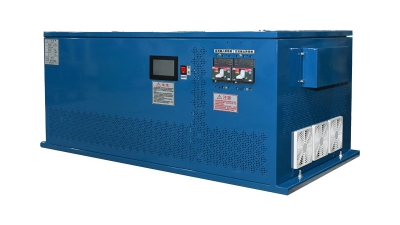
In today’s fast-moving world of technology, you really can’t overstate the importance of having a reliable and efficient power supply. 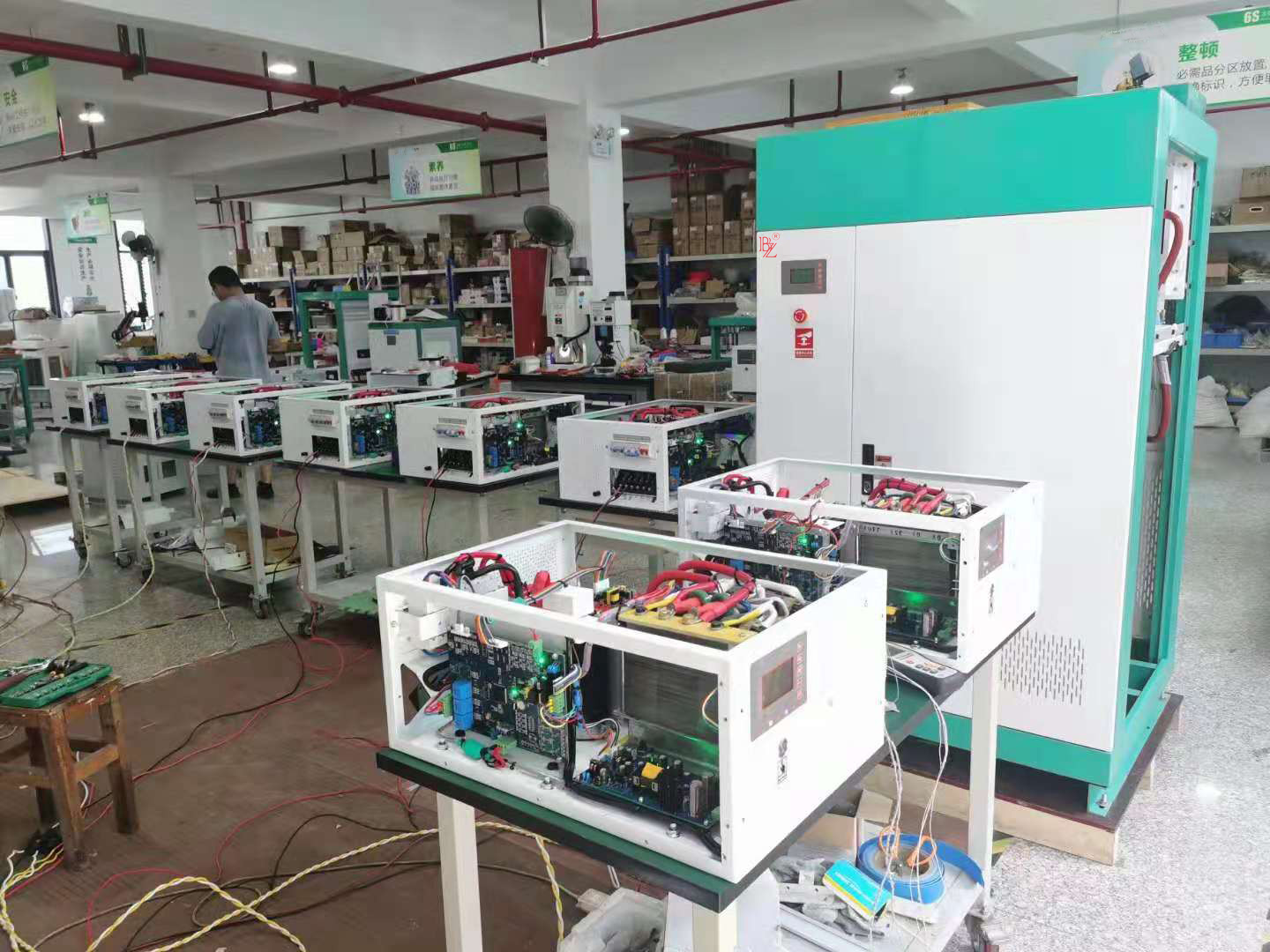 Switch-mode power supplies have become a key part of boosting energy efficiency in a whole bunch of different applications. They help cut down on energy use and keep operational costs in check. According to a report by MarketsandMarkets, the global market for these power supplies is set to jump from around $24.89 billion in 2020 to roughly $39.37 billion by 2025. This growth is mainly fueled by the growing push for energy-saving solutions and the rise of renewable energy tech. At Bangzhao Electric Co., Ltd., we’re right at the forefront of this change, offering advanced system solutions like lithium battery storage and bi-directional energy storage power supplies. We’re dedicated to providing top-notch products — like Pure Sine Wave Inverters and Marine Inverters — so our customers can really get the most out of what’s out there. Basically, we want to help you take advantage of the best switching power supplies on the market today.
Benefits of Switching Power Supplies in Modern Applications
Switching power supplies have really become a vital part of modern tech lately, thanks to their efficiency and flexibility. According to the Global Power Supply Market Analysis Report, they make up about 60% of the entire power supply market, mainly because they can convert power with very little energy loss. This not only helps cut down on energy bills but also results in less heat being generated, which means your gadgets tend to last longer and stay more reliable.
One of the biggest perks of switching power supplies is how lightweight and compact they are. Thanks to their high-frequency operation, manufacturers can use smaller transformers, which means they can make power supplies that take up less space—without losing any performance. For example, a recent study showed that adding switching power supplies to consumer electronics boosted power density by up to 50% compared to traditional linear power supplies.
A few tips if you're thinking of implementing one:When choosing a Switching Power Supply, it’s smart to go for models with built-inpower factor correction. That’ll help boost efficiency and make sure you’re meeting certain regulatory standards. Also, make sure the power supply’s rated correctly for your specific needs—you don’t want to overload it or run into performance issues. And don’t forget—regularly checking your load requirements can help keep things running smoothly as your power demands change over time.
Key Technologies Driving the Evolution of Power Supply Solutions
When it comes to power supply solutions, there are a few key tech breakthroughs really shaping how switching power supplies are evolving. These advances are making them pretty much essential across different kinds of applications, especially when it comes to squeezing out the best efficiency. One exciting development is the rise of digital control algorithms. These clever algorithms tweak things like voltage and current on the fly, based on what's happening in real time. It’s like the power supply is constantly adjusting itself to stay efficient—even when loads aren’t steady. Not only does this mean less wasted energy, but it also helps keep electronic devices safer and more reliable by preventing stuff like overheating or other issues down the line.
Then there’s the buzz around wide bandgap semiconductors, like silicon carbide (SiC) and gallium nitride (GaN). Compared to traditional silicon chips, these materials can handle higher voltages, switch faster, and work at hotter temps. This means designers can make smaller, lighter, and way more efficient power supplies. That’s a huge deal in high-performance areas like electric vehicles or renewable energy setups, where every bit of efficiency can save money and help the environment. As these technologies keep improving, they’re opening the door to smarter, more capable power solutions that meet the crazy demands of modern electronics.
Understanding Efficiency Ratings: How They Impact Performance
When you're looking at switching power supplies, the efficiency ratings really matter—they directly influence how well everything performs. Based on recent industry chatter, a power supply's efficiency can have a pretty big impact on energy bills and overall operating costs. For example, running a power supply at 90% efficiency instead of 80% can make a noticeable difference, especially in big setups. Those extra savings might not seem like much at first, but over time, they add up—especially in industries that use tons of energy. Honestly, the more efficient the system, the smaller your carbon footprint tends to be, which is a win-win.
At Bangzhao Electric Co., Ltd., we get how vital efficiency is. That’s why our products, like our fancy bi-directional energy storage setups and pure sine wave inverters, are built with cutting-edge tech aiming for efficiency ratings often soaring above 93%. Not only does this boost how well they perform, but it also means your equipment lasts longer. When you choose our solutions, you're got a more reliable system that can cut down on operational costs — plus, it’s better for the environment in today’s energy-aware world. Honestly, investing in efficient power solutions isn’t just smart; it’s kinda essential if you want your business to stay competitive and sustainable in the long run.
Comparative Analysis: Switching Power Supplies vs Linear Power Supplies
When you start comparing switching power supplies to linear ones, the advantages of switching technology really start to stand out. These power supplies are pretty efficient, often over 90%, which is impressive. They achieve this by running at high frequencies, allowing for smaller parts and less energy lost as heat. On the flip side, linear power supplies tend to waste more energy by just dissipating excess voltage as heat, so they usually end up being heavier and bulkier.
Plus, switching power supplies are super versatile. They can handle a variety of input voltages and still deliver a steady, reliable output even when the load changes—a real lifesaver in many situations. Linear models, while simpler and easier to understand, just don't handle rapid load changes as well and tend to be bigger and heavier. As technology keeps pushing for smaller, more power-efficient devices, switching power supplies are definitely the way to go—whether it’s for your everyday gadgets or industrial gear. They're pretty much the future of power supply solutions.
Future Trends: What to Expect from Power Supply Innovations by 2025
Looking ahead to 2025, it’s pretty clear that the power supply industry is set to see some exciting changes, mostly thanks to tech innovations and a real push toward energy efficiency. Experts are saying the global market for power supplies could hit over $30 billion by then, growing at around 6% each year. One of the biggest trends? Moving away from old-school analog systems and adopting digital power management. These digital systems could boost efficiency by up to 20%, which is pretty impressive. What’s cool is that they help devices talk to each other better and fine-tune power delivery on the fly — super handy, especially with all the IoT gadgets we’re adding every day.
Tip: If you’re picking out a power supply for your project, go for models that feature these digital management perks — it’s a smart move to stay up-to-date and get the most out of your setup.
Plus, with stricter environmental rules coming into play, manufacturers are feeling the heat to create greener, more sustainable products. That’s where gallium nitride (GaN) tech comes in. It’s poised to shake up the market by making power supplies more efficient and more compact. Reports suggest that GaN can cut energy losses by about 30% compared to traditional silicon-based units. With all these advances on the horizon, it’s a good idea for businesses to keep themselves in the know and start adopting these new technologies sooner rather than later.
Tip: To stay ahead, consider investing in training or resources that help your team understand how GaN can benefit your power systems — staying informed makes all the difference.
Sustainability in Power Supply Design: Meeting Industry Standards and Goals
In today’s fast-changing tech world, making sure our power supplies are sustainable is more important than ever. With industries under pressure to meet tough environmental standards, the best switching power supplies aren’t just about efficiency—they also need to be eco-friendly. Engineers and designers are now working hard to cut down energy use without sacrificing performance, trying to strike that perfect balance between doing the job well and being kind to the planet.
If you want your power supply designs to really hit those sustainability goals, think about using energy-saving components. Installing high-quality, low-loss transistors can make a huge difference in reducing wasted energy. And don’t forget about choosing materials that are better for the environment, from manufacturing all the way through disposal—these little tweaks can add up to a greener product.
Stay in the loop with industry rules and standards, too. Checking out updates from programs like Energy Star can help you keep your designs compliant and ahead of the curve. Plus, using simulation tools to fine-tune your systems for better efficiency is a smart move—it not only helps meet industry standards but can even set new ones. Following these tips can lead to a future where your power supplies are not just efficient but also more sustainable, helping both your business and the planet stay healthy.
Empowering Off-Grid Solutions: How High Power Vehicle Inverters Enhance Energy Accessibility in Modern Transportation
In an era where energy accessibility is paramount, the advent of high power vehicle inverters stands as a transformative solution for modern transportation, especially in off-grid applications. These advanced devices are designed to harness high voltage DC power—specifically from new energy vehicles and specialized applications—effortlessly converting it into usable AC power. With a power range between 30KW to 100KW, they cater to high-load equipment. Whether it’s powering medical equipment, tools at a campsite, or providing emergency power, these inverters are bridging the gap in energy supply where traditional infrastructure falls short.
The isolation type of vehicle inverters employs industrial frequency isolation technology, ensuring safe and efficient energy conversion. This is particularly crucial in environments where power demand is unpredictable and where the reliance on conventional grid infrastructure is limited. By converting high voltage outputs (ranging from 400V to 800V) into stable 380V or 220V three-phase or single-phase AC power, these inverters empower users to harness energy on the go, thereby enhancing productivity and safety across various sectors. As the push for sustainable and self-sufficient energy solutions continues, high power vehicle inverters represent a significant leap towards achieving energy independence in transportation and beyond.
FAQS
: Key advancements include the development of digital control algorithms that optimize performance in real-time, and the use of wide bandgap semiconductors like silicon carbide (SiC) and gallium nitride (GaN), which allow for higher efficiency and more compact designs.
Digital control algorithms dynamically adjust output voltage and current based on real-time conditions, minimizing energy waste and improving reliability, thereby preventing issues such as overheating.
Wide bandgap semiconductors, such as SiC and GaN, can operate at higher voltages, frequencies, and temperatures than traditional silicon components, leading to smaller, lighter, and more efficient power supply designs, especially in high-performance applications.
Switching power supplies often exceed 90% efficiency due to high-frequency operation, while linear power supplies dissipate excess voltage as heat, resulting in lower efficiency and bulkier designs.
Switching power supplies offer high efficiency, versatility in accommodating varying input voltages, stable output across different loads, and a compact design, making them suitable for modern applications.
Sustainability is crucial as industries strive to meet stringent environmental standards while minimizing energy consumption. It involves creating efficient designs that also adhere to ecological goals.
Designers can implement energy-efficient components, choose materials with lower environmental impact, stay updated on industry regulations, and engage in continuous improvement practices.
The Energy Star program sets standards that designers can review to ensure their power supply designs are compliant and meet energy efficiency targets.
Using high-quality, low-loss transistors, selecting sustainable materials, and employing simulation tools for design optimization are effective strategies for improving efficiency.
Switching power supplies are especially beneficial in high-performance applications, including electric vehicles and renewable energy systems, where efficiency leads to cost savings and environmental benefits.